

Medical stainless steel clean doors are the backbone of hygiene and sterility in hospitals, clinics, and other healthcare facilities. Designed to resist contamination, withstand harsh disinfectants, and maintain airtight seals, these doors play a critical role in preventing healthcare-associated infections (HAIs). However, their performance and longevity depend heavily on proper maintenance. Unlike ordinary doors, the Medical Stainless Steel Clean Door requires regular, targeted care to preserve its structural integrity, hygiene properties, and functionality. This easy maintenance guide outlines simple, actionable steps to keep your medical stainless steel clean doors in optimal condition, ensuring they continue to protect patients, staff, and compliance standards for years to come.
Daily cleaning is the foundation of maintaining any medical stainless steel clean door, as it prevents the buildup of dirt, bacteria, and grime that can compromise hygiene and damage the door’s surface. For routine care, start with a soft, lint-free cloth—avoid abrasive materials like steel wool or scouring pads, which can scratch the stainless steel and create crevices for bacteria to hide. Use a mild, pH-neutral cleaner (avoid harsh chemicals like bleach or ammonia, which can corrode the steel over time) and wipe the door surface, frame, and hinges in a circular motion. Pay special attention to the door’s seals, as these are critical for airtightness. For the Medical Stainless Steel Single Clean Door, which is often used in smaller spaces like examination rooms, focus on the edges and handle, where touchpoints are frequent and contamination risks are higher.
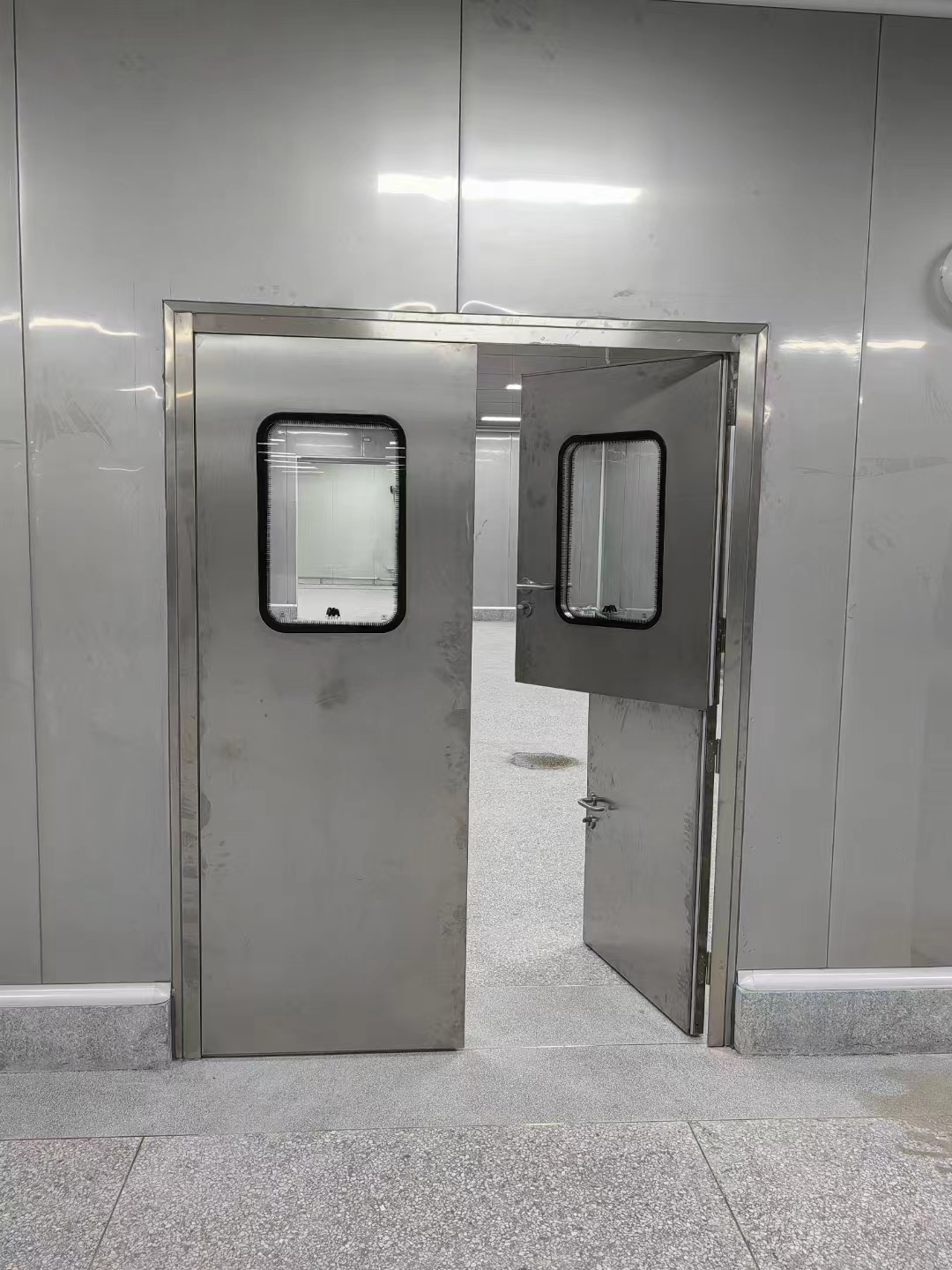
Weekly maintenance goes beyond basic cleaning to address potential issues before they escalate. Begin by inspecting the door’s hinges and hardware for signs of wear, rust, or looseness. Tighten any loose screws or bolts, and apply a small amount of medical-grade lubricant to hinges to ensure smooth operation—this prevents squeaking and reduces strain on the door’s structure. Next, check the door’s airtight seals for cracks, tears, or degradation. If seals are damaged, replace them immediately to maintain the door’s ability to prevent air leakage and cross-contamination. For the Medical Stainless Steel Double Clean Door, which is commonly used in operating rooms and sterile processing areas, inspect both doors’ seals and hardware, as their dual design relies on both components working in tandem.
Monthly deep cleaning is essential to remove stubborn stains, mineral deposits, or hidden bacteria that daily cleaning may miss. For this, use a specialized stainless steel cleaner (formulated for medical environments) to remove fingerprints, water spots, and any residue from disinfectants. For tough stains, let the cleaner sit for a few minutes before wiping it away with a soft cloth. After cleaning, dry the door thoroughly to prevent water spots, which can damage the stainless steel finish over time. Additionally, inspect the door’s alignment—if the door is misaligned, it can strain the hinges and compromise the seal. Adjust the hinges as needed to ensure the door closes tightly and evenly. This step is particularly important for the Medical Stainless Steel Folding Clean Door, whose folding mechanism and multiple hinges require regular alignment to function properly.
Seasonal maintenance focuses on long-term durability and addressing environmental factors that can affect the door’s performance. In areas with high humidity (such as hospitals in tropical climates), check for signs of corrosion or rust on the stainless steel surface. If rust spots appear, use a stainless steel rust remover (safe for medical use) to eliminate them, then clean and dry the area thoroughly. Inspect the door’s frame for any damage, such as dents or warping, which can impact the seal. For outdoor or semi-outdoor medical spaces, ensure the door’s finish is intact to protect against weather-related damage. Additionally, replace any worn or damaged hardware (such as handles or locks) to maintain security and functionality.
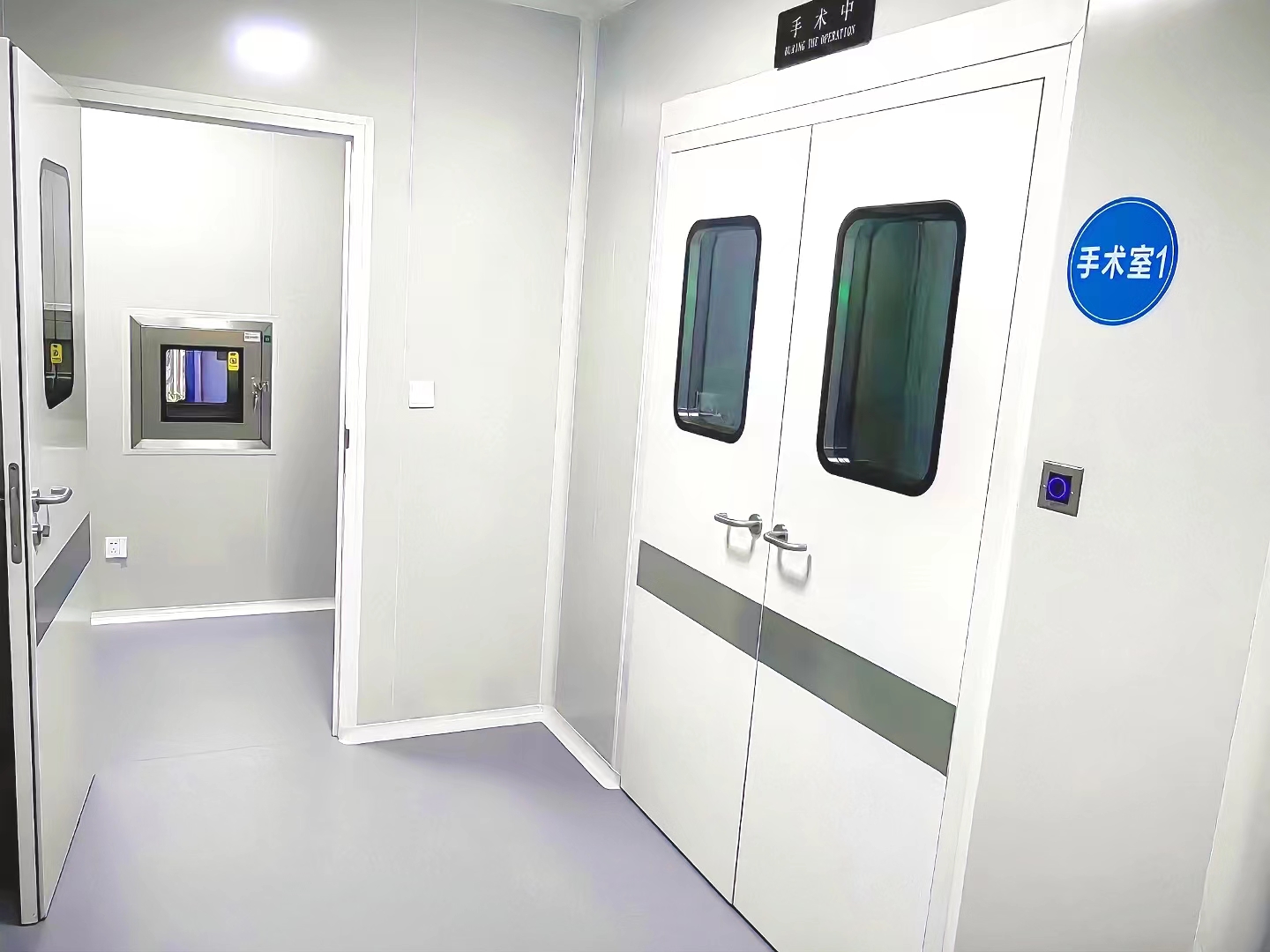
Avoiding common maintenance mistakes is just as important as following the correct steps. Never use abrasive cleaners, harsh chemicals, or rough cloths, as these can scratch the stainless steel and reduce its resistance to bacteria. Do not ignore small issues, such as a loose hinge or a cracked seal—these can escalate into larger problems that require costly repairs or replacement. Also, avoid over-lubricating hinges, as excess lubricant can attract dust and bacteria. By following these simple guidelines, you can extend the lifespan of your Medical Stainless Steel Clean Door, maintain its hygiene properties, and ensure it continues to meet the rigorous demands of healthcare environments.

